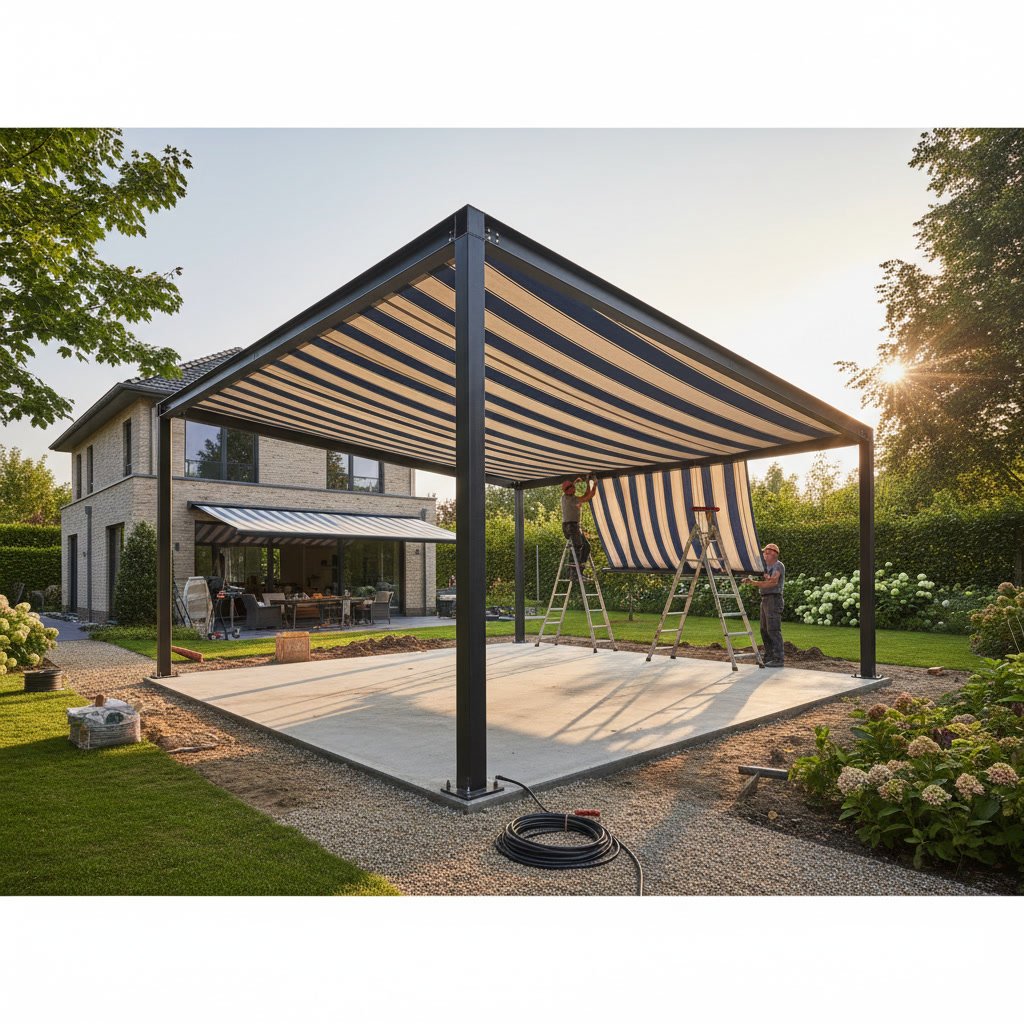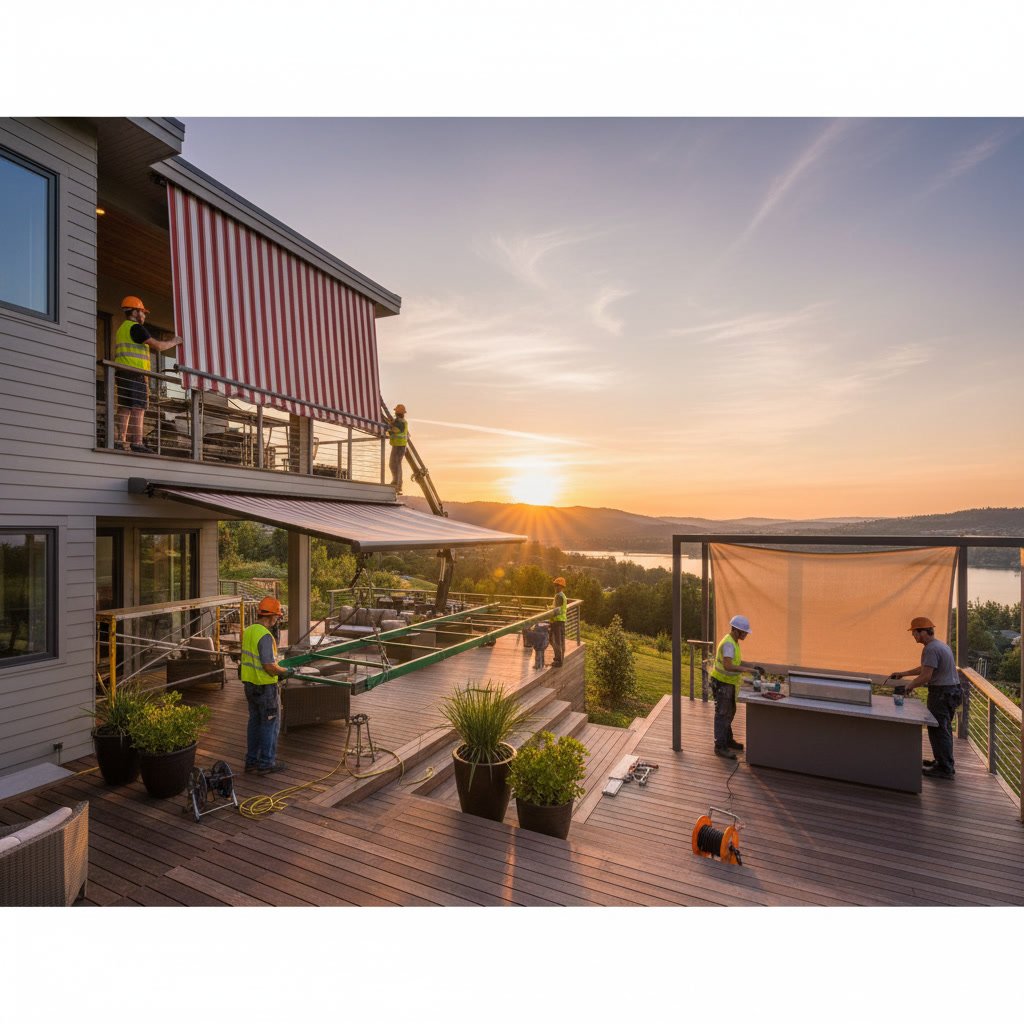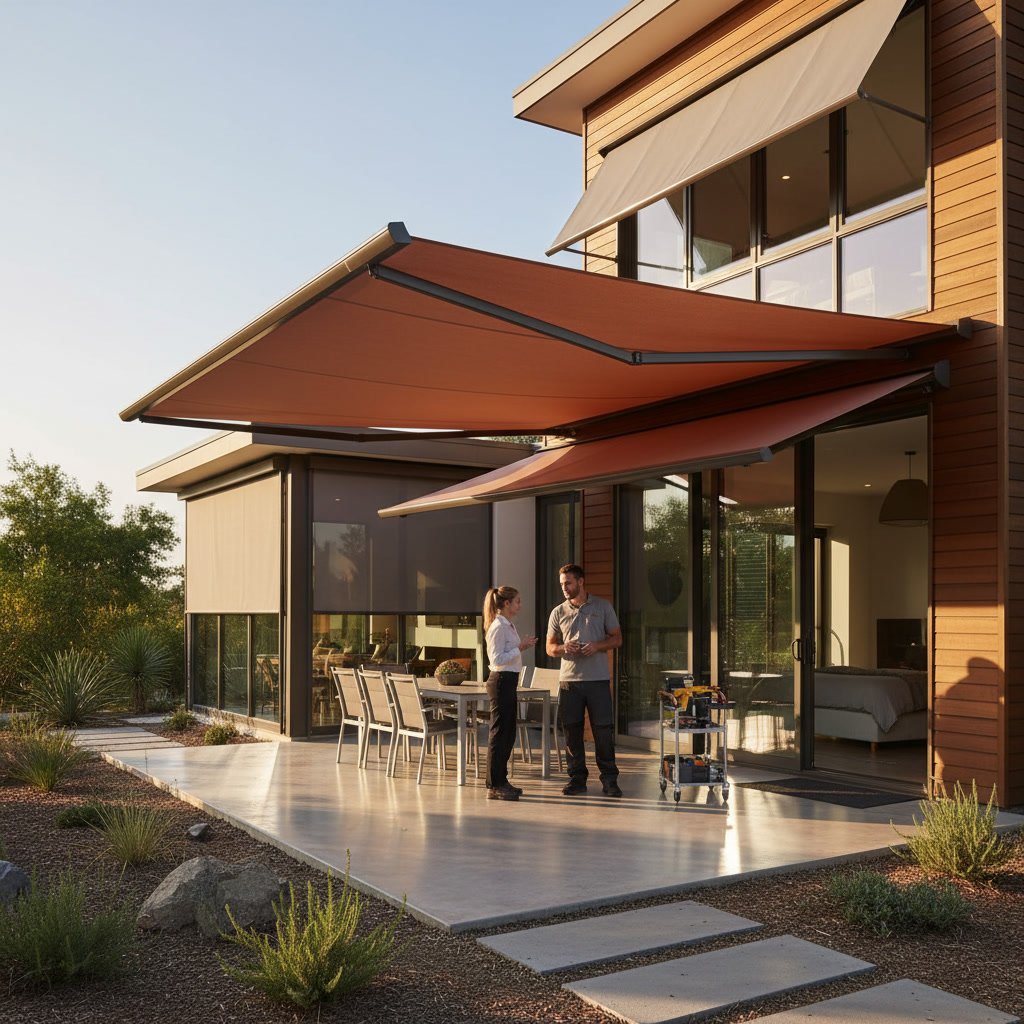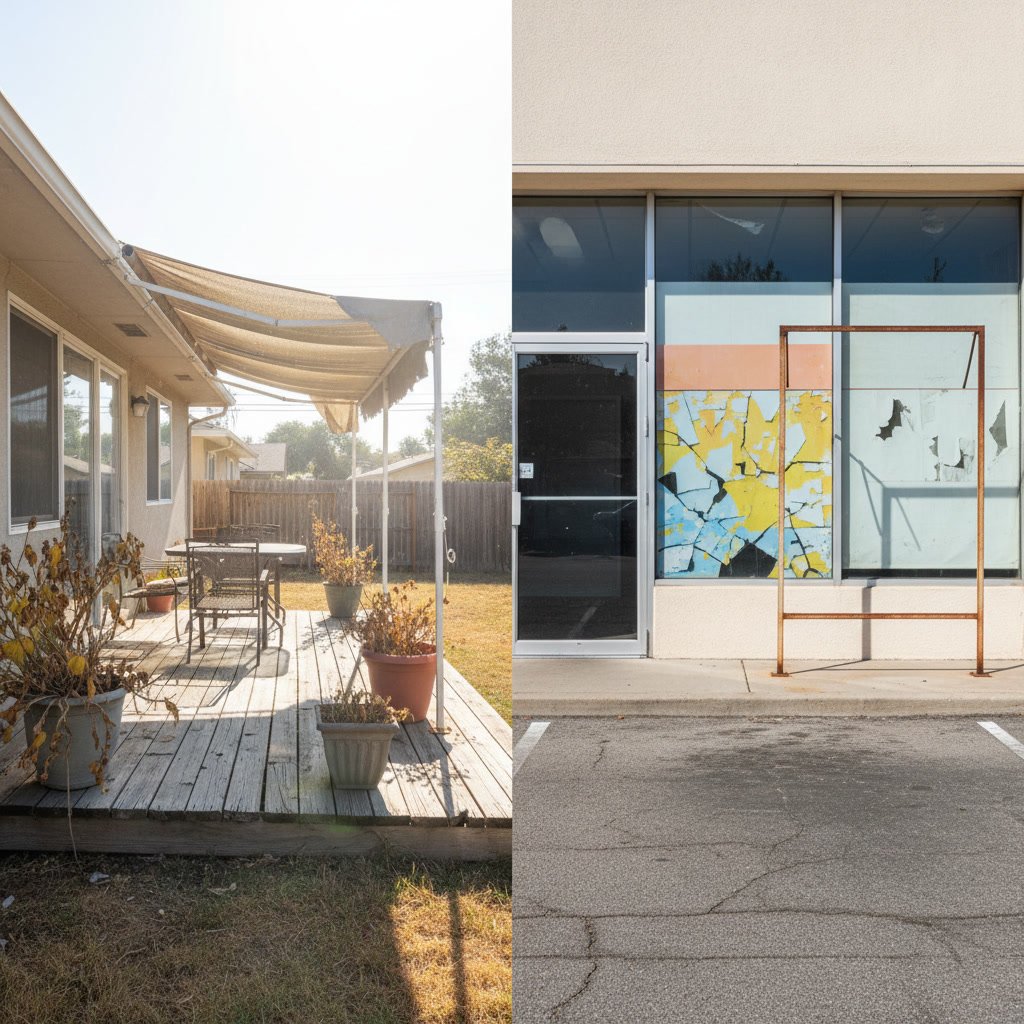
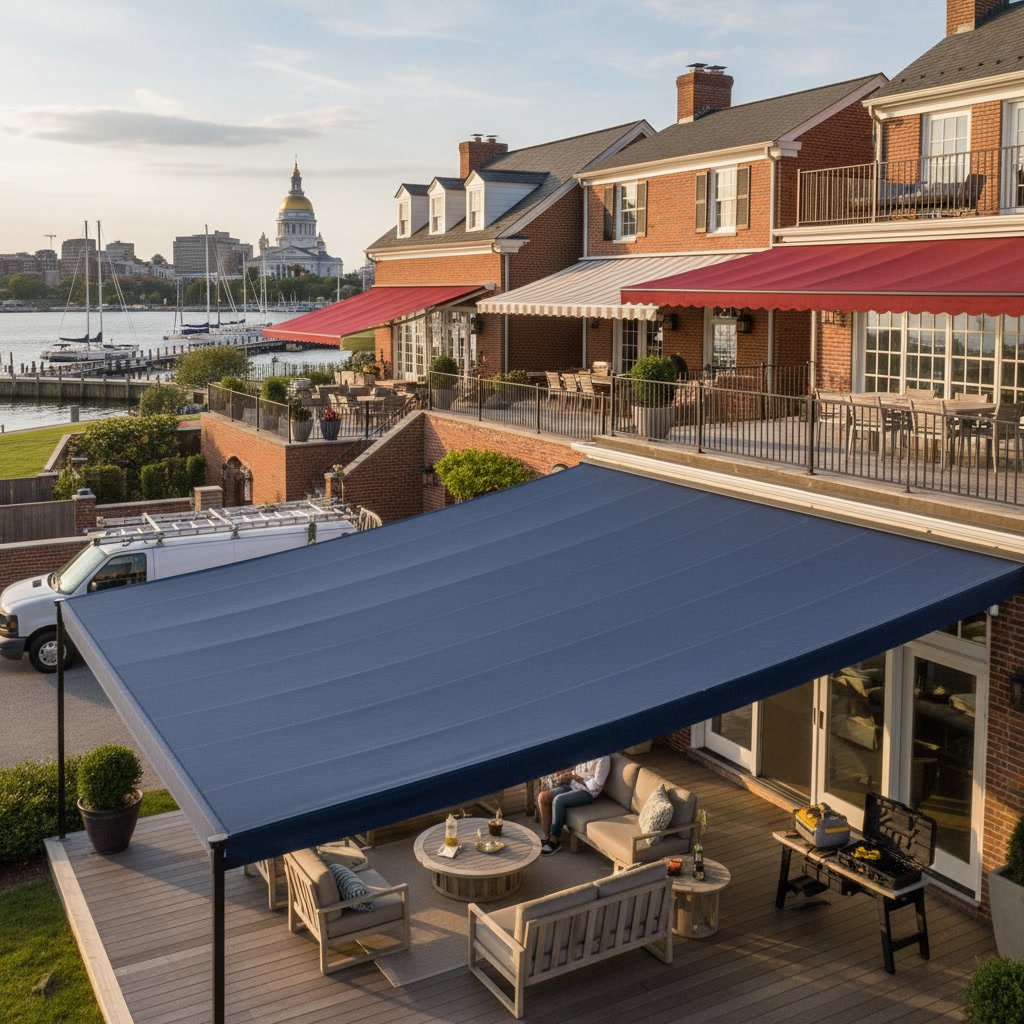
Maryland summers bring beautiful weather, but the midday sun can quickly turn your patio or deck into an unusable hotspot. The right shade solution transforms these outdoor spaces into comfortable retreats where you can entertain guests, enjoy family meals, or simply relax with a book. Retractable awnings Annapolis homeowners install offer the perfect balance of sun protection when you need it and open sky when you want it.
This guide walks you through the best retractable awning options for Annapolis properties, covering styles, sizing, fabric choices, and what makes certain models better suited to the unique climate conditions along the Chesapeake Bay.
Why Retractable Awnings Work Better Than Fixed Options
Fixed awnings serve their purpose, but retractable models give you control. When a summer storm rolls in from the bay, you can retract the fabric to protect it from high winds. On those rare perfect evenings when you want to stargaze, you simply roll it back.
Retractable awnings also extend the life of your investment. By retracting the fabric during harsh weather or winter months, you reduce wear from UV exposure, rain, and ice. Most quality retractable models last 10 to 15 years with proper care, compared to 7 to 10 years for fixed awnings in similar conditions.
The flexibility matters especially in Annapolis, where weather patterns can shift quickly. Morning sunshine might give way to afternoon clouds, and having the option to adjust your shade coverage makes outdoor living more practical throughout the season.
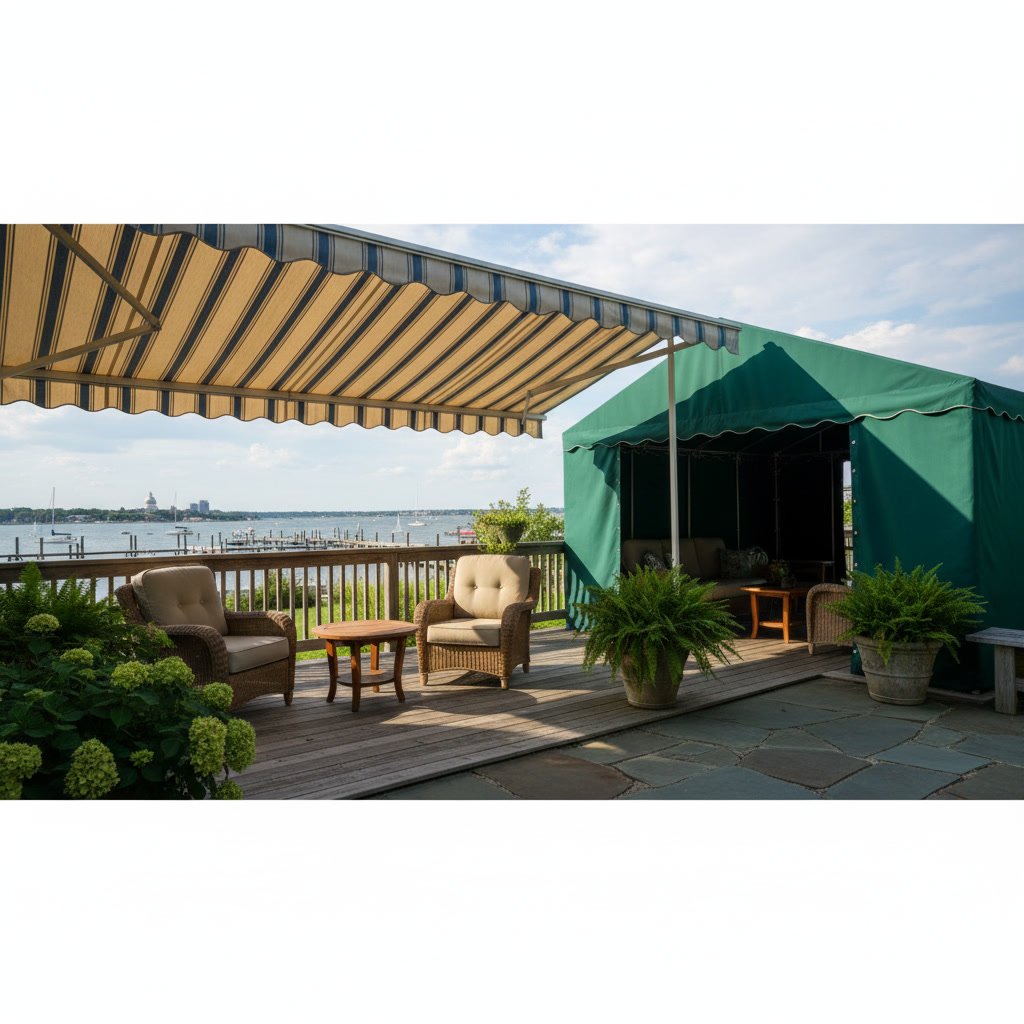
Understanding Retractable Awning Styles
Not all retractable awnings function the same way. The style you choose affects both performance and long-term maintenance.
Lateral Arm Awnings
Lateral arm models are the most popular choice for patios and decks. Two or more retractable arms hold the front bar while springs or cables provide tension to keep the fabric taut. These awnings project outward from your home, typically 8 to 14 feet, creating a large shaded area.
Quality lateral arm awnings use aluminum arms with stainless steel components to resist corrosion, an important consideration in coastal areas like Annapolis. The arms should operate smoothly without binding or squeaking, which indicates proper engineering and manufacturing.
Motorized vs Manual Operation
Manual awnings use a hand crank to extend and retract. They cost less upfront but require physical effort, which becomes tedious if you adjust the awning frequently. For larger awnings over 12 feet wide, cranking becomes genuinely difficult.
Motorized retractable awnings Annapolis residents install offer push-button convenience. Most use a wall switch or remote control, and many newer models integrate with smart home systems. Some include wind and sun sensors that automatically retract the awning when conditions warrant.
The motor adds $400 to $800 to the project cost, but most homeowners who choose motorized operation say they’d never go back to manual cranking.
Cassette and Semi-Cassette Designs
When retracted, standard awnings leave the fabric and mechanisms exposed to weather. Cassette awnings enclose everything inside a protective housing, while semi-cassette models cover the fabric but leave the arms partially exposed.
Cassette designs cost 20% to 30% more but significantly extend fabric life by protecting it from dirt, pollen, bird droppings, and UV damage when not in use. For homeowners who want minimal maintenance and maximum longevity, the investment pays off.
Sizing Your Awning for Maximum Shade
An undersized awning wastes money by failing to provide adequate shade. An oversized one costs more than necessary and may not fit your space properly.
Measure your patio or deck width first. Your awning should cover the primary seating or activity area. For a typical 12-foot-wide deck, a 10 to 12-foot awning width works well. If you have a 16-foot-wide patio, consider a 14 to 16-foot model.
Projection matters as much as width. This is how far the awning extends from your house. Standard projections range from 8 to 14 feet. To determine the right projection, consider the sun angle during the times you use your outdoor space most.
Pro Tip: In Annapolis, the summer sun sits high in the southern sky. A 10 to 12-foot projection provides good shade coverage during peak afternoon hours for most south-facing patios and decks.
The mounting height also affects shade coverage. Awnings mounted 8 to 9 feet above the deck provide comfortable headroom while maximizing shade. Higher mounting reduces shade area but may be necessary if you have tall doors or windows.
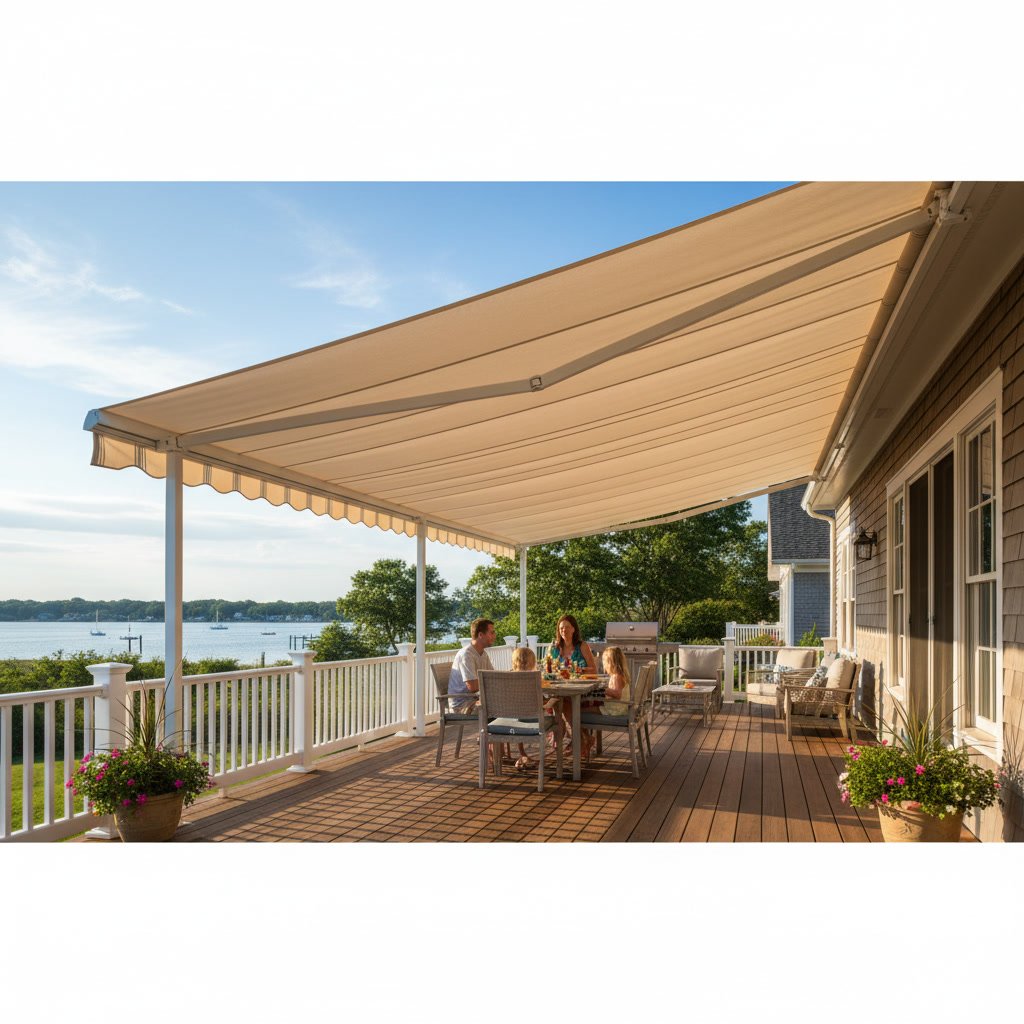
Choosing the Right Fabric for Chesapeake Bay Weather
Awning fabric determines how well your investment performs and how long it lasts. Three main fabric types dominate the market, each with distinct characteristics.
Solution-Dyed Acrylic
This is the gold standard for retractable awnings Annapolis homeowners select. Solution-dyed acrylic fabric has color infused throughout each fiber, not just printed on the surface. This means the color won’t fade quickly, even with constant sun exposure.
Quality acrylic fabric blocks 95% to 99% of UV rays while remaining breathable. Heat and moisture don’t get trapped underneath, making your patio more comfortable. Most manufacturers warranty their acrylic fabrics for 5 to 10 years against fading and degradation.
Acrylic fabric resists mildew better than other materials, important in Annapolis where humidity levels stay high during summer months. When dirt accumulates, you can clean it with mild soap and water without damaging the fabric or color.
Vinyl-Coated Polyester
Less expensive than acrylic, vinyl-coated polyester provides complete waterproofing. This makes it suitable if you want rain protection, not just sun shade. However, vinyl doesn’t breathe, so heat can build up underneath.
Vinyl fabric typically lasts 5 to 8 years before showing significant wear. It’s more prone to mildew in humid climates and harder to clean without damaging the vinyl coating.
Mesh and Specialty Fabrics
Mesh fabrics allow some light and air to pass through while still blocking 80% to 90% of UV rays. They create a filtered shade effect and hold up well in windy conditions because air passes through rather than creating lift.
Some manufacturers offer specialty fabrics with enhanced water resistance or cooling properties. These premium options cost more but may suit specific needs.
Color Selection Matters
Darker colors absorb more heat but provide denser shade and better UV blocking. Lighter colors reflect heat and create a brighter outdoor space but offer slightly less UV protection.
For Annapolis homes, medium tones like tan, terra cotta, or slate blue balance shade performance with heat management. Striped patterns remain popular and hide minor dirt or staining better than solid colors.
Installation Considerations for Annapolis Homes
Proper installation makes the difference between an awning that performs flawlessly for years and one that causes problems.
The mounting surface must be solid and capable of supporting the awning’s weight plus wind loads. Brick, concrete block, and solid wood surfaces work well. Vinyl siding requires additional backing or mounting to structural elements behind the siding.
Most retractable awnings mount to the fascia board or wall just below the eave. The mounting brackets must hit wall studs or use appropriate masonry anchors. Inadequate mounting can lead to the awning pulling away from the house during wind events.
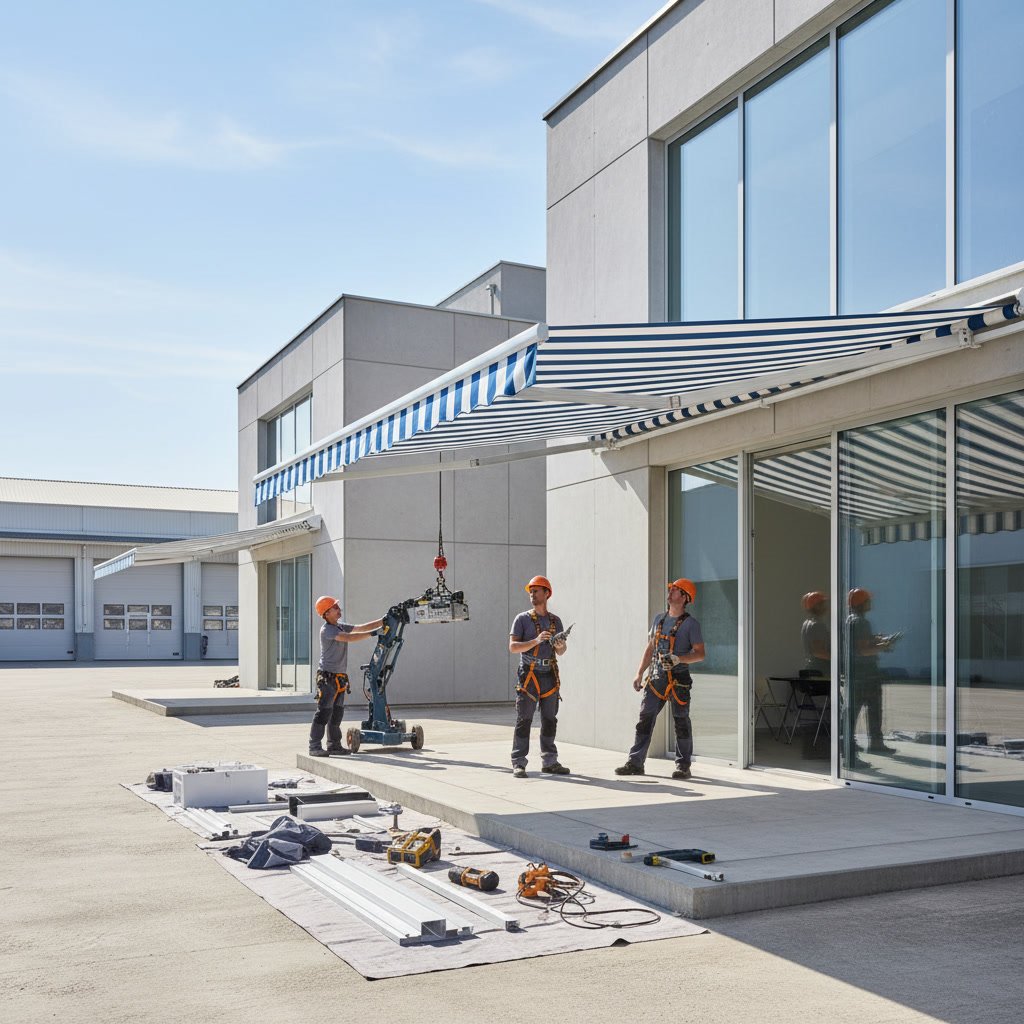
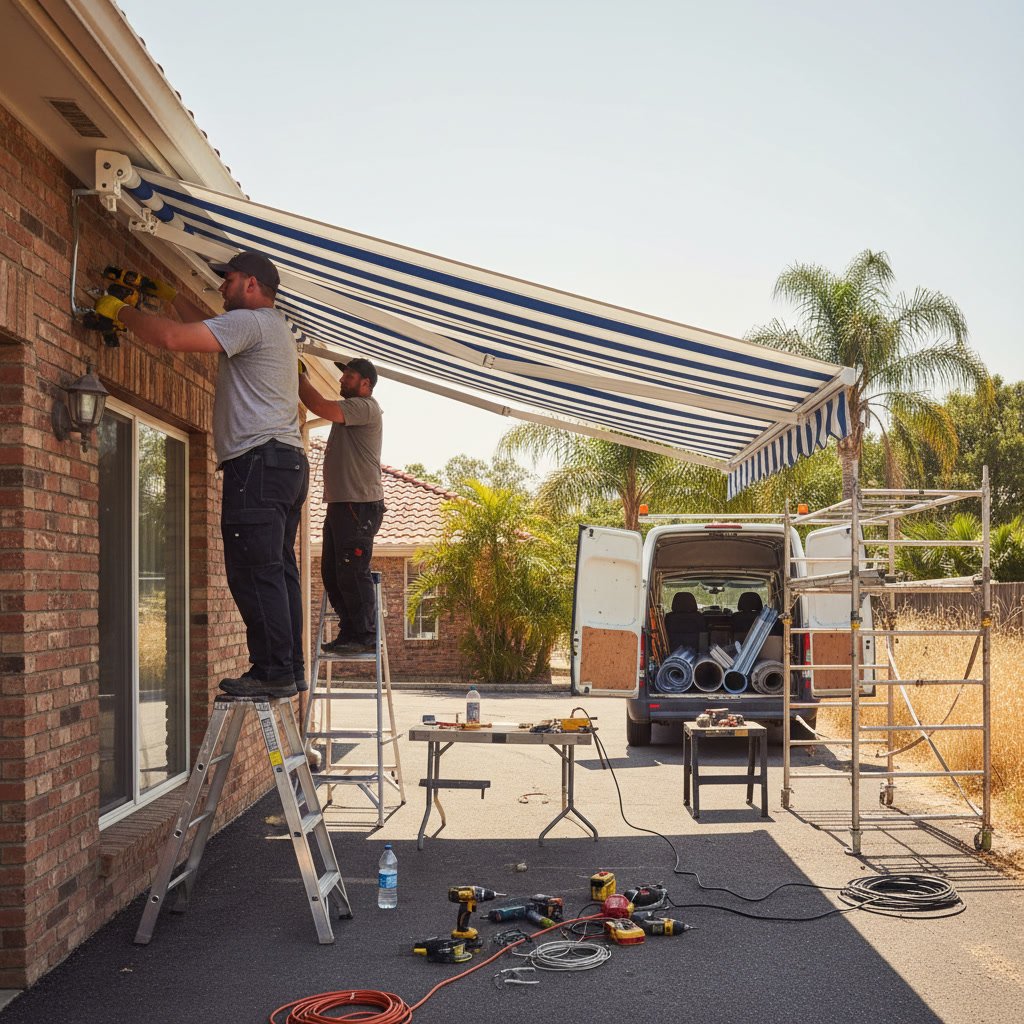
Professional installation ensures the awning is level, properly tensioned, and securely fastened. A slight pitch away from the house allows rainwater to run off rather than pooling on the fabric. Even retractable awnings designed for sun use benefit from proper pitch to handle unexpected light rain.
Pro Tip: Licensed installers carry insurance that protects you if something goes wrong during installation. This coverage is worth more than the cost difference between professional and DIY installation.
For motorized awnings, electrical work should be performed by licensed electricians or installation teams with proper credentials. Most motorized units require a dedicated 110-volt circuit with GFCI protection.
Maintenance Tips to Extend Awning Life
Regular maintenance keeps your awning looking good and functioning properly for many years.
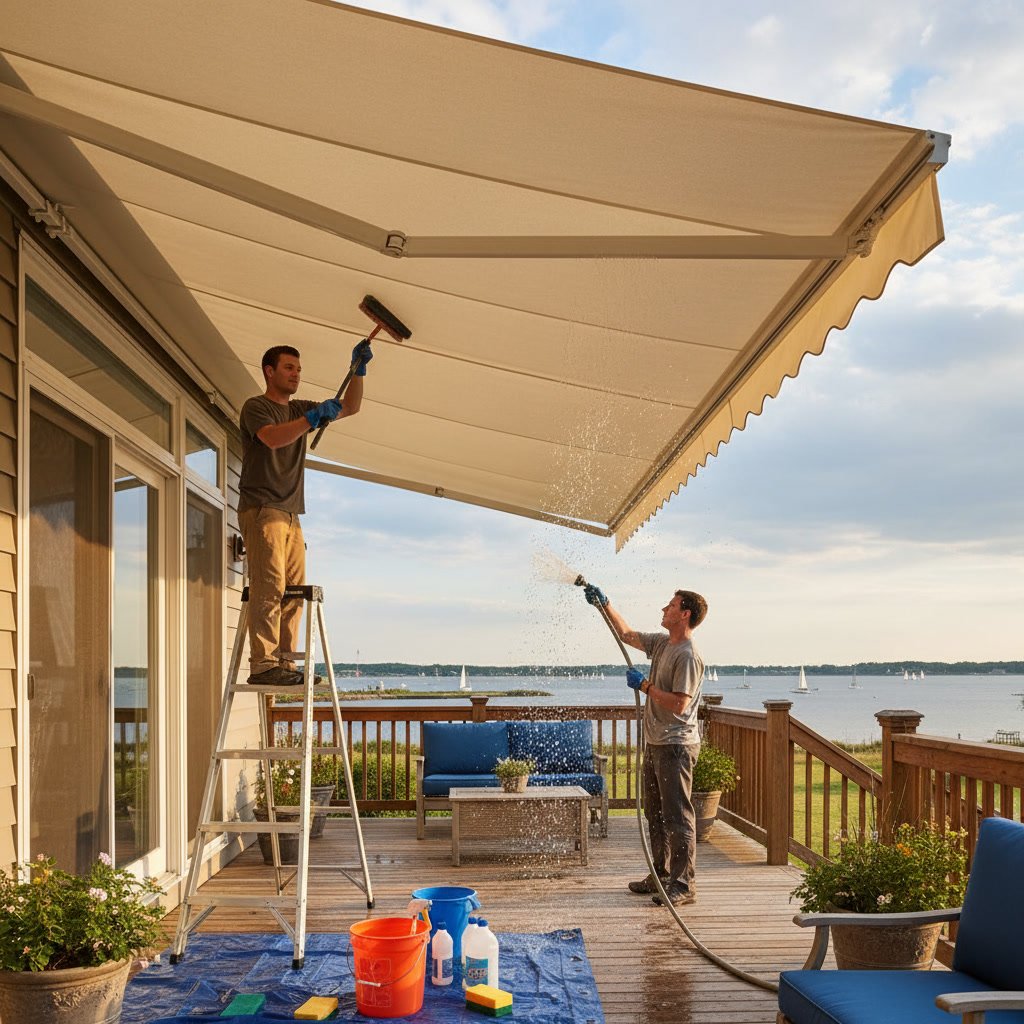
Clean the fabric at least twice per season. Use a soft brush or broom to remove loose dirt, then wash with mild soap and lukewarm water. Rinse thoroughly and let the fabric dry completely before retracting. Never retract a wet awning, as this promotes mildew growth.
Inspect the mechanical components annually. Look for loose fasteners, worn pivot points, or frayed cables. Lubricate moving parts according to the manufacturer’s recommendations, typically once or twice per year.
Retract the awning during storms. While quality awnings withstand moderate wind, sustained winds above 20 to 25 mph can damage the fabric or mechanisms. Wind sensors on motorized units handle this automatically, but manual awnings require you to crank them in.
Store the awning during winter months if possible. Even durable fabrics benefit from protection during Maryland’s freeze-thaw cycles. If you leave it installed year-round, keep it retracted and ensure water doesn’t accumulate in the cassette or on the folded fabric.
What to Expect for Cost
Retractable awning prices vary based on size, features, and fabric quality. Understanding typical costs helps you budget appropriately.
A basic manual retractable awning in the 10 to 12-foot range typically starts around $800 to $1,200 for the unit itself. Add $300 to $500 for professional installation.
Mid-range motorized awnings with quality acrylic fabric cost $1,800 to $3,000 for units in the same size range, plus $400 to $600 for installation.
Premium cassette awnings with motors, sensors, and high-end fabrics run $3,500 to $5,500 or more, depending on size and features. Larger awnings over 16 feet wide cost proportionally more due to heavier-duty mechanisms required.
Factory-direct purchasing eliminates distributor markups. Working with a company that manufactures and installs their own products can reduce costs by 15% to 25% compared to retailers who outsource installation.
Financing options make premium awnings more accessible. Many homeowners find that monthly payments fit comfortably in their budget while immediately improving their outdoor living space.
Climate Considerations for the Annapolis Area
The Chesapeake Bay region presents specific challenges that influence awning selection.
High humidity during summer months makes mildew-resistant fabrics essential. Solution-dyed acrylic performs best in these conditions. Regular cleaning becomes even more important in humid climates.
Salt air near the bay accelerates corrosion of metal components. Quality awnings use powder-coated aluminum frames and stainless steel hardware to resist rust and corrosion. Cheaper models with steel components may show rust within a few years.
Afternoon thunderstorms can develop quickly during summer. Motorized awnings with wind sensors provide peace of mind when you’re away from home. The sensors automatically retract the awning before wind speeds reach damaging levels.
Winter storage or keeping the awning retracted during cold months prevents ice damage. Frozen precipitation can accumulate on extended awnings, and the weight can strain mechanisms or tear fabric.
Common Mistakes to Avoid
Learning from others’ errors saves money and frustration.
Don’t size down to save money. An awning that’s too small fails to provide adequate shade, defeating its entire purpose. If budget is tight, choose a properly sized basic model over an undersized premium one.
Avoid the cheapest options from big-box stores. These units use inferior components that fail quickly. The frame may be thin aluminum or even plastic, mechanisms may bind or break, and fabric quality is usually poor. A $400 awning that lasts three years costs more in the long run than a $2,000 awning that performs well for 15 years.
Don’t skip professional installation to save a few hundred dollars. Improper mounting leads to awning failure, potential property damage, and voided warranties. The cost of correcting a failed DIY installation far exceeds the cost of hiring professionals from the start.
Never leave a manual awning extended overnight or when you leave home. Unexpected storms can destroy an unattended awning in minutes. If you want set-it-and-forget-it convenience, invest in motorization with sensors.
Additional Features Worth Considering
Several optional features enhance awning functionality and convenience.
LED lighting strips integrate into the awning’s front bar, providing ambient lighting for evening use. This extends the usability of your outdoor space after sunset without installing separate fixtures.
Heating elements mount above the awning and direct warmth to the covered area, extending your outdoor season into cooler months. Infrared heaters work particularly well because they heat people and objects rather than trying to warm air.
Valances add a decorative element while providing extra shade. Some valances are purely aesthetic, while others adjust independently to block low-angle sun.
Side screens attach to the awning’s arms and extend downward, blocking sun from the side while providing privacy and wind protection. These work especially well on west-facing patios where late afternoon sun comes in at an angle.
Smart home integration lets you control motorized awnings through your phone or voice commands. Some systems adjust the awning automatically based on sun position, temperature, and weather forecasts.
Frequently Asked Questions
How long do retractable awnings last in Maryland weather?
Quality retractable awnings with proper maintenance typically last 10 to 15 years in Maryland. The fabric may need replacement after 7 to 10 years depending on sun exposure and how well you maintain it, but the mechanical components often outlast the first fabric. Cheaper awnings may only last 3 to 5 years before showing significant wear or mechanical problems.
Can retractable awnings withstand wind?
Most quality retractable awnings handle winds up to 20 to 25 mph when extended. Beyond that, you should retract the awning to prevent damage. Motorized models with wind sensors do this automatically. The awning is much more wind-resistant when retracted, typically handling winds over 50 mph without issue. Never leave a manual awning extended during storms or when away from home.
Do I need a permit to install a retractable awning in Annapolis?
Most retractable awning installations in Annapolis don’t require permits because they’re considered temporary structures that can be removed. However, requirements vary by specific location and property type. Your installer should verify local requirements before beginning work. Historic district properties may have additional restrictions on exterior modifications.
How much does it cost to run a motorized awning?
Motorized awnings use very little electricity. The motor only runs for 30 to 60 seconds when extending or retracting, consuming about the same power as a 100-watt light bulb. Even with frequent use, you’ll spend less than $5 per year on electricity. The motor itself requires no regular maintenance beyond occasional lubrication.
Can awnings reduce cooling costs?
Yes, awnings significantly reduce heat gain through windows and doors. Studies show that properly positioned awnings can reduce cooling costs by 15% to 25% during summer months. South-facing windows benefit most from awning shade. The exact savings depends on your home’s insulation, window efficiency, and how much direct sun hits the shaded areas.
Make Your Outdoor Space Comfortable This Season
The right retractable awning transforms your patio or deck into a comfortable outdoor room you’ll use throughout the season. Quality materials, proper sizing, and professional installation ensure years of reliable performance.
Awnings R US has helped homeowners throughout Annapolis, Kent Island, Stevensville, and surrounding Maryland communities select and install the perfect shade solutions for over 40 years. Our factory-direct approach means you get professional-grade awnings at prices about 20% lower than competitors, backed by comprehensive fabric and labor warranties.
Ready to explore your options? Call our team at +14107397544 to schedule a free consultation and estimate. We’ll visit your property, take precise measurements, show you fabric samples, and help you choose the retractable awning that best fits your needs and budget.