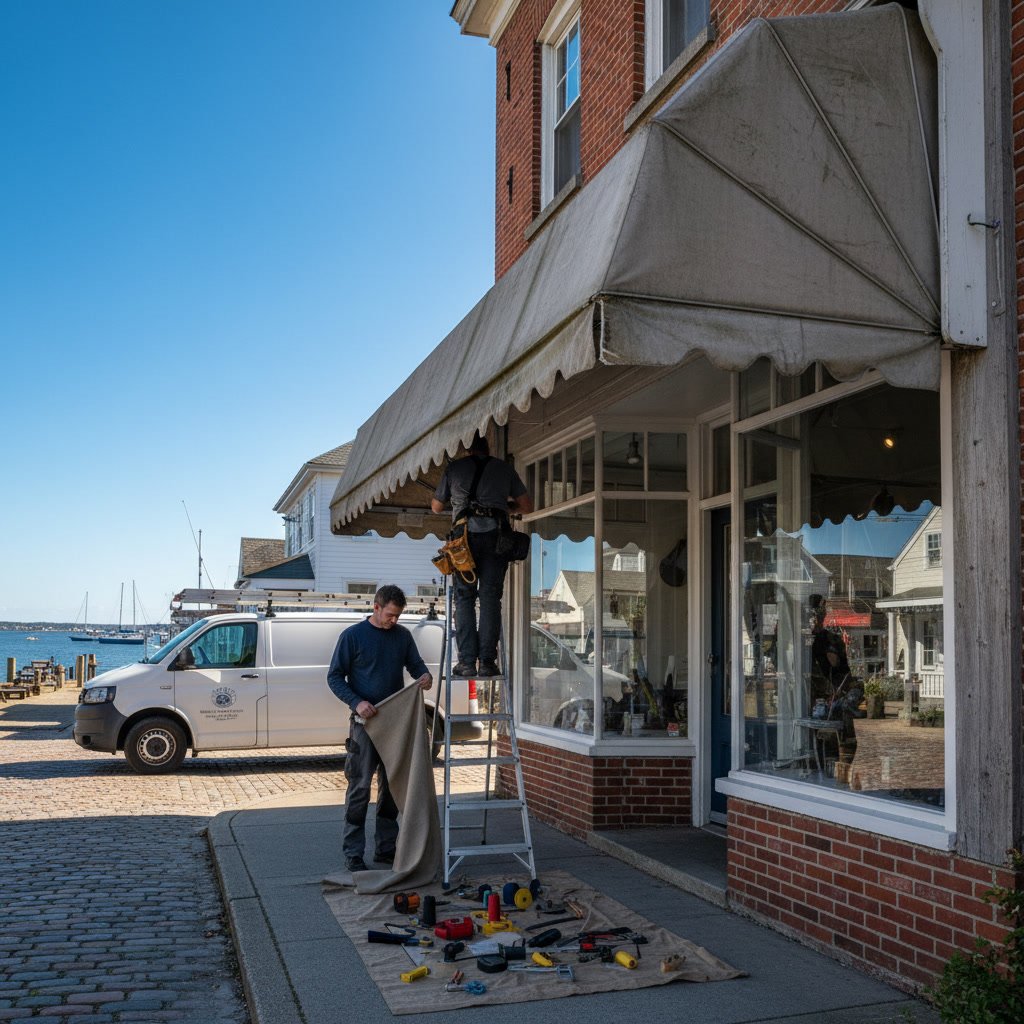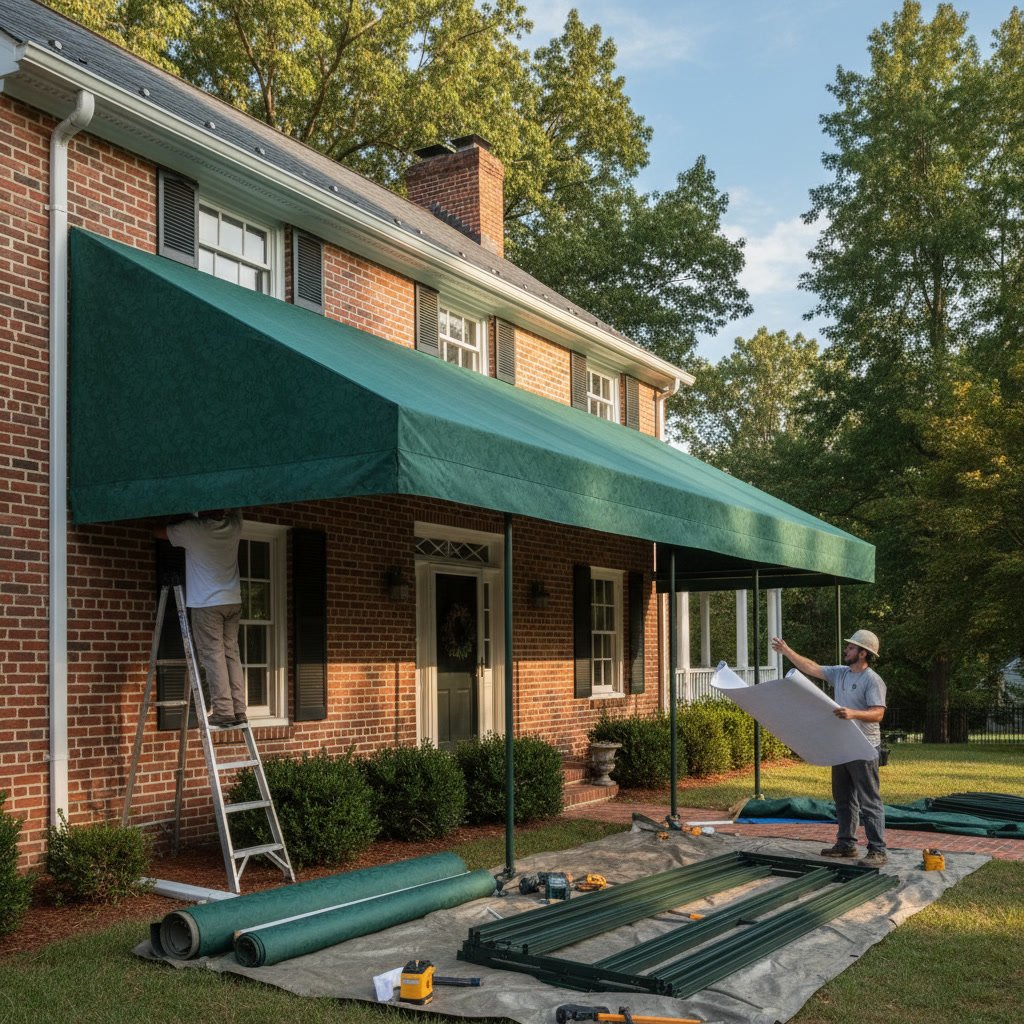
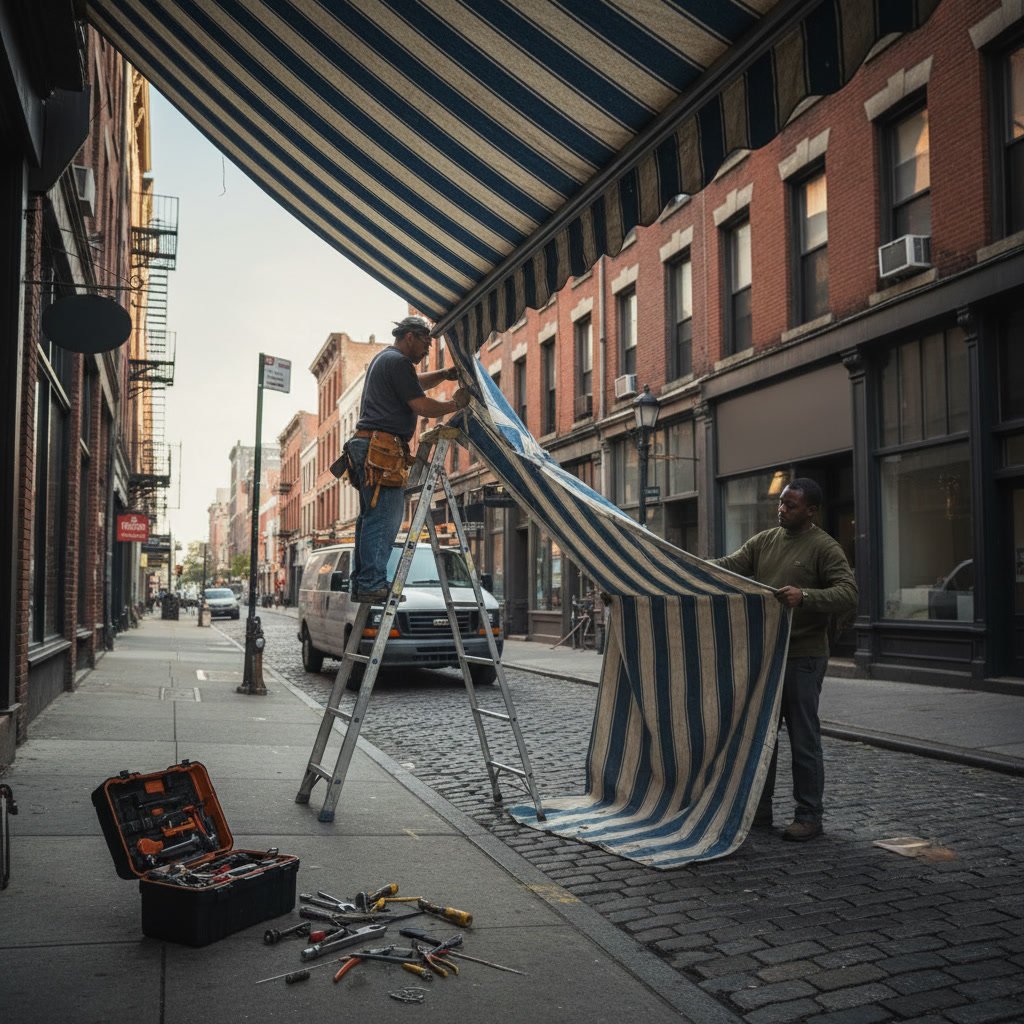
Your awning has seen better days. Maybe the fabric is torn, the motor stopped working, or the frame bent during last month’s storm. Now you are searching for “awning repair near me” and finding dozens of results, but how do you separate the professionals from the pretenders? The contractor you choose will either restore your awning to like-new condition or leave you with recurring problems and wasted money.
This guide walks through the specific qualities, credentials, and warning signs you should evaluate before hiring anyone to work on your awning. Whether you own a home in Stevensville or manage a business in Annapolis, these criteria will help you make an informed choice.
Licensing and Insurance Come First
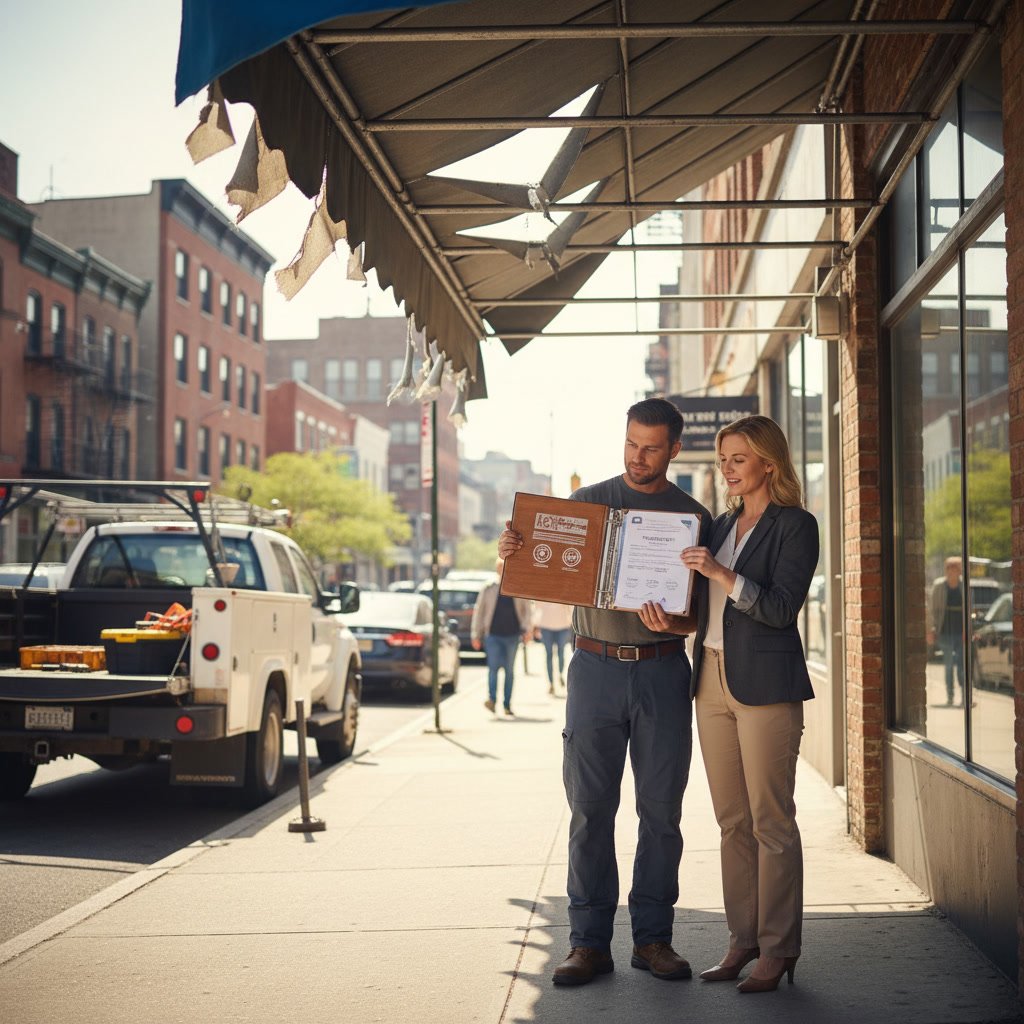
Before discussing anything else, verify that your contractor holds proper licensing and insurance. Maryland requires home improvement contractors to register with the state, and this registration protects you from unlicensed operators who disappear after taking your deposit.
Ask for proof of general liability insurance and workers’ compensation coverage. General liability protects your property if something goes wrong during the repair. Workers’ comp covers any injuries that happen on your property, which means you won’t face a lawsuit if someone gets hurt while fixing your awning.
A legitimate contractor will provide this documentation without hesitation. If someone avoids the question or promises to send it later, move on to the next option.
Experience With Your Specific Awning Type Matters
Awnings come in many varieties: retractable, stationary, motorized, manual, metal, fabric, and countless brand-specific designs. A contractor who specializes in metal standing seam awnings may not understand the tensioning system on a Sunbrella retractable model.
Ask directly about their experience with your awning type. How many similar repairs have they completed in the past year? Do they work with your awning’s brand or manufacturer? Can they source original replacement parts, or will they substitute generic components that may not fit properly?
Some general handymen advertise awning services but lack the specialized knowledge required for complex repairs. This becomes especially important for motorized systems, where electrical troubleshooting skills are essential.
Factory-Direct Access and Parts Sourcing
Contractors who maintain direct relationships with manufacturers can obtain original parts faster and often at lower cost. This matters when your awning uses proprietary hardware or specific fabric grades.
Ask where they source their parts and how long typical orders take. Delays of several weeks may indicate they lack established supplier relationships, which can extend your project timeline significantly.
Written Estimates and Detailed Scope of Work
Legitimate contractors provide written estimates that break down labor, materials, and any additional costs. Vague quotes like “around $500 to fix it” leave room for surprise charges and disputes.
The estimate should specify exactly what work will be performed, which parts will be replaced, and what is excluded from the scope. If your awning frame needs straightening but the fabric also shows wear, the estimate should clarify whether fabric replacement is included or priced separately.
Compare at least three written estimates before deciding. The lowest price doesn’t always represent the best value, especially if it comes from an underinsured contractor using inferior materials.
Pro Tip: Beware of contractors who require large upfront deposits before starting work. Maryland law limits deposits to one-third of the total contract price. Anyone demanding 50% or more up front may be trying to fund other projects with your money.
Warranty Coverage on Repairs and Labor
Quality contractors stand behind their work with written warranties. These typically cover both the parts installed and the labor performed, though the duration may vary.
Ask specific questions about warranty coverage: What happens if the motor fails again in six months? Who pays for labor if a seam splits within the warranty period? Does the warranty transfer if you sell your property?
The best awning repair and restoration contractors offer at least one year of labor warranty and honor manufacturer warranties on parts. Some fabric warranties extend 10 years or more when proper materials are used.
Get warranty terms in writing before work begins. Verbal promises become worthless when problems arise months later.
Local Reputation and Verifiable References
When you search “awning repair near me,” you want someone who will still be around next year when you need maintenance and repairs. Local contractors with established reputations have more to lose than transient operators who work out of unmarked vans.
Check online reviews across multiple platforms, not just the testimonials on their website. Look for patterns in feedback: Do customers mention punctuality? Quality of communication? How problems were resolved?
Ask for references from recent projects similar to yours. A contractor who repaired a commercial awning at a restaurant has relevant experience for your residential patio cover, but someone who only installs new awnings may lack troubleshooting skills.
Years in Business and Family Legacy
Longevity indicates stability and satisfied customers. A contractor celebrating 40 years in business has survived economic downturns, changing technologies, and fierce competition by consistently delivering quality work.
Family-owned businesses often bring added accountability. When three generations have served the same community, reputation matters more than short-term profit. Awning “R” Us exemplifies this approach, treating every property with the same care a family business would show their own home.
Transparent Communication and Professionalism
Pay attention to how contractors communicate during your initial contact. Do they return calls promptly? Answer questions clearly? Provide specific information rather than vague reassurances?
Professional contractors arrive on time for estimates, wear identifiable company clothing, and drive marked vehicles. These details suggest an organized business that takes its reputation seriously.
Red flags include contractors who pressure you to sign immediately, offer suspiciously low prices contingent on “signing today,” or cannot provide a physical business address. Trust your instincts when something feels off.
Project Timeline and Availability
Ask about realistic timelines for your repair. Some fixes take a few hours, while others require ordering custom parts and scheduling multiple visits.
Contractors who promise immediate service during peak season may be overpromising. Conversely, those booking out several months might be understaffed or inefficient. A two to three week timeline for most standard repairs typically indicates healthy business volume without capacity problems.
In-House Capabilities Versus Subcontracting
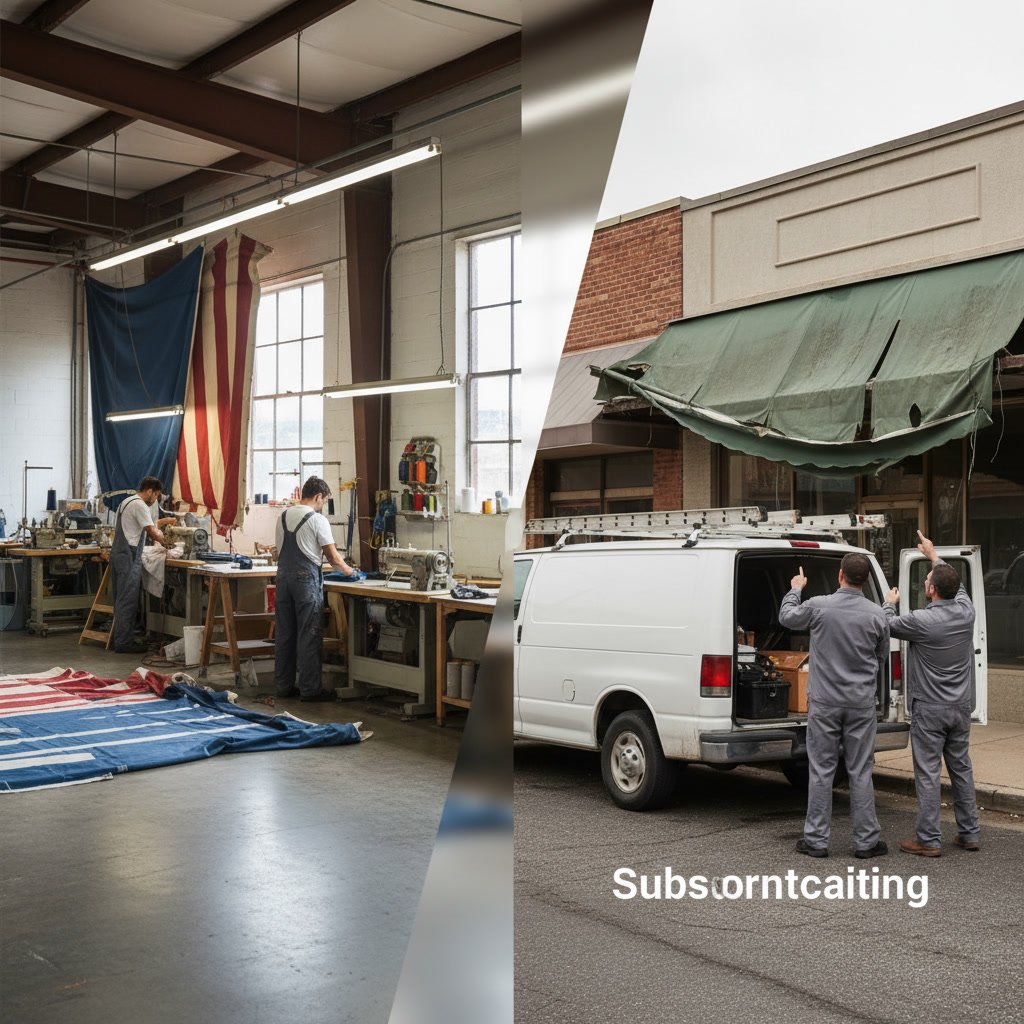
Some companies function as brokers, taking your call and then subcontracting the actual work to unknown third parties. This arrangement creates communication gaps and accountability problems.
Ask directly whether the company performs all work in-house with their own employees. In-house teams typically deliver more consistent quality because the company controls training, supervision, and quality standards.
Companies that handle everything from sales and installations to repairs in-house can also draw on broader expertise when diagnosing problems. The same technician who installs dozens of new awnings each year understands potential failure points better than someone who only fixes things.
Factory-Direct Pricing and Cost Transparency
Understanding how contractors price their services helps you evaluate quotes more effectively. Companies that work factory-direct eliminate middleman markups, potentially saving you 20% or more compared to retailers who source through distributors.
This pricing advantage becomes significant on larger repairs requiring substantial fabric replacement or multiple components. Ask whether the contractor manufactures anything in-house or maintains direct manufacturer relationships.
Beware of quotes that seem too good to be true. Extremely low prices may indicate the contractor plans to use inferior materials, cut corners on installation, or add hidden charges later. Competitive pricing should align with local market rates while reflecting quality materials and skilled labor.
Understanding the Repair Process
A knowledgeable contractor should explain what is wrong with your awning and how they plan to fix it in terms you can understand. This transparency helps you make informed decisions and sets realistic expectations.
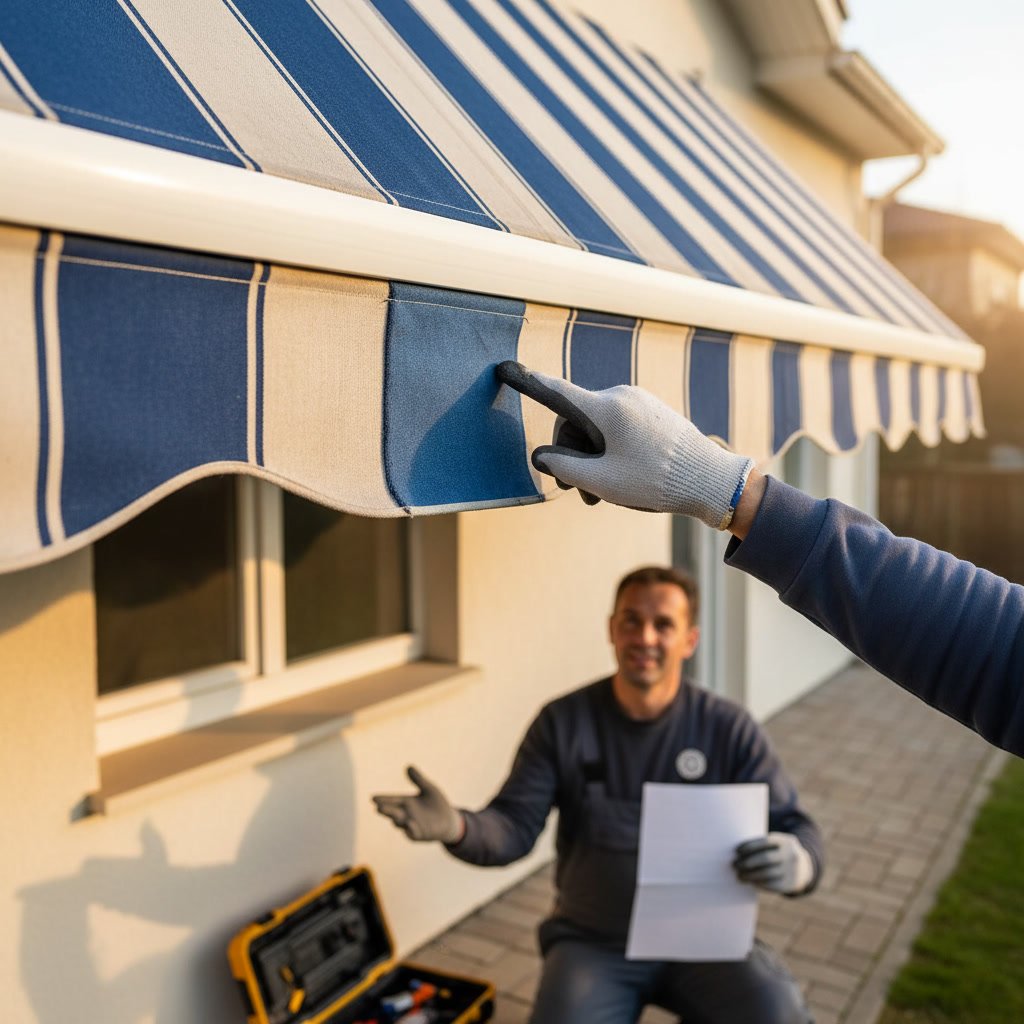
Ask about alternatives. If your motor failed, can it be repaired or must it be replaced? If fabric is torn, does the entire cover need replacement or can a section be patched? Sometimes multiple approaches exist, each with different costs and longevity implications.
Contractors who educate rather than sell tend to build long-term customer relationships. They might explain that your 15-year-old awning would benefit more from complete restoration than piecemeal repairs, or they might recommend simple adjustments that extend its life another few years.
When Repair Makes Sense Versus Replacement
Honest contractors will tell you when replacement makes more financial sense than repair. If your awning frame is severely corroded and the fabric is deteriorated, investing $800 in repairs for a system that will need replacement within two years wastes money.
Generally, repairs make sense when the frame and mechanical components remain structurally sound. Fabric replacement, motor repairs, and hardware adjustments typically cost 30-50% of new installation prices, making them worthwhile investments for awnings with years of life remaining.
If you are uncertain, an experienced contractor can assess overall condition and provide guidance based on your specific situation. You can learn more about typical costs in our guide on awning installation costs in Maryland.
Local Knowledge of Maryland Weather Challenges
Maryland’s Eastern Shore experiences unique weather patterns that affect awning performance. High winds off the Chesapeake Bay, intense summer sun, occasional hurricanes, and winter ice all take their toll.
Contractors familiar with these conditions understand which materials hold up best and how to reinforce vulnerable points. They know that awnings in Kent Island face different stress than those in more sheltered locations.
This local expertise influences repair recommendations. A contractor might suggest upgrading to wind-rated hardware or choosing solution-dyed acrylic fabric that resists Maryland’s UV exposure better than cheaper alternatives.
Frequently Asked Questions
How much does typical awning repair cost in Maryland?
Basic repairs like fabric patching or hardware adjustment typically range from $150 to $400. Motor replacement or significant frame repair usually costs $500 to $1,200, while complete fabric replacement runs $600 to $2,500 depending on size and material quality. Multiple factors affect pricing, including awning size, damage extent, and parts availability.
How long do professional awning repairs take?
Simple repairs often complete in two to four hours during a single visit. Projects requiring custom fabric or special-order parts may take two to four weeks from initial assessment to completion. Motor repairs typically finish within one week once parts arrive. Your contractor should provide a specific timeline during the estimate phase.
Can I repair my awning myself or should I hire a professional?
Minor tasks like cleaning or tightening loose bolts are DIY-friendly. Anything involving fabric replacement, frame repair, or electrical components requires professional skills and tools. Improper repairs can void warranties, create safety hazards, and ultimately cost more when professionals must fix both the original problem and your attempted repair.
What causes most awning damage that requires repair?
Wind damage tops the list, especially when retractable awnings are left extended during storms. UV exposure gradually degrades fabric, causing fading and weakening. Mechanical wear affects motors and moving parts over time. Accumulation of debris in tracks and hardware causes operational problems. Regular maintenance prevents many issues that would otherwise require repair.
How often should awnings be professionally inspected?
Annual inspections catch small problems before they become expensive repairs. Schedule inspections in early spring before heavy use season. Awnings in harsh environments or those more than 10 years old benefit from twice-yearly checks. Professional inspections typically include hardware adjustment, lubrication, and fabric assessment.
Making Your Decision
Choosing the right contractor for your awning repair requires evaluating licensing, experience, warranties, and reputation rather than simply accepting the lowest bid. Contractors who maintain transparent communication, work in-house, and stand behind their repairs with written guarantees deliver better long-term value than cut-rate alternatives.
The next time your awning needs attention, these criteria will help you identify qualified professionals who will restore your shade solution properly.
Awning “R” Us has served Maryland’s Eastern Shore for over 40 years with factory-direct pricing, in-house expertise, and comprehensive warranties on both parts and labor. Our licensed and insured team handles everything from minor repairs to complete restorations across Grasonville, Queenstown, and surrounding communities. If you are searching for reliable awning repair near me, call +14107397544 or visit our contact page to schedule an assessment.